Dom Tower History & Restoration
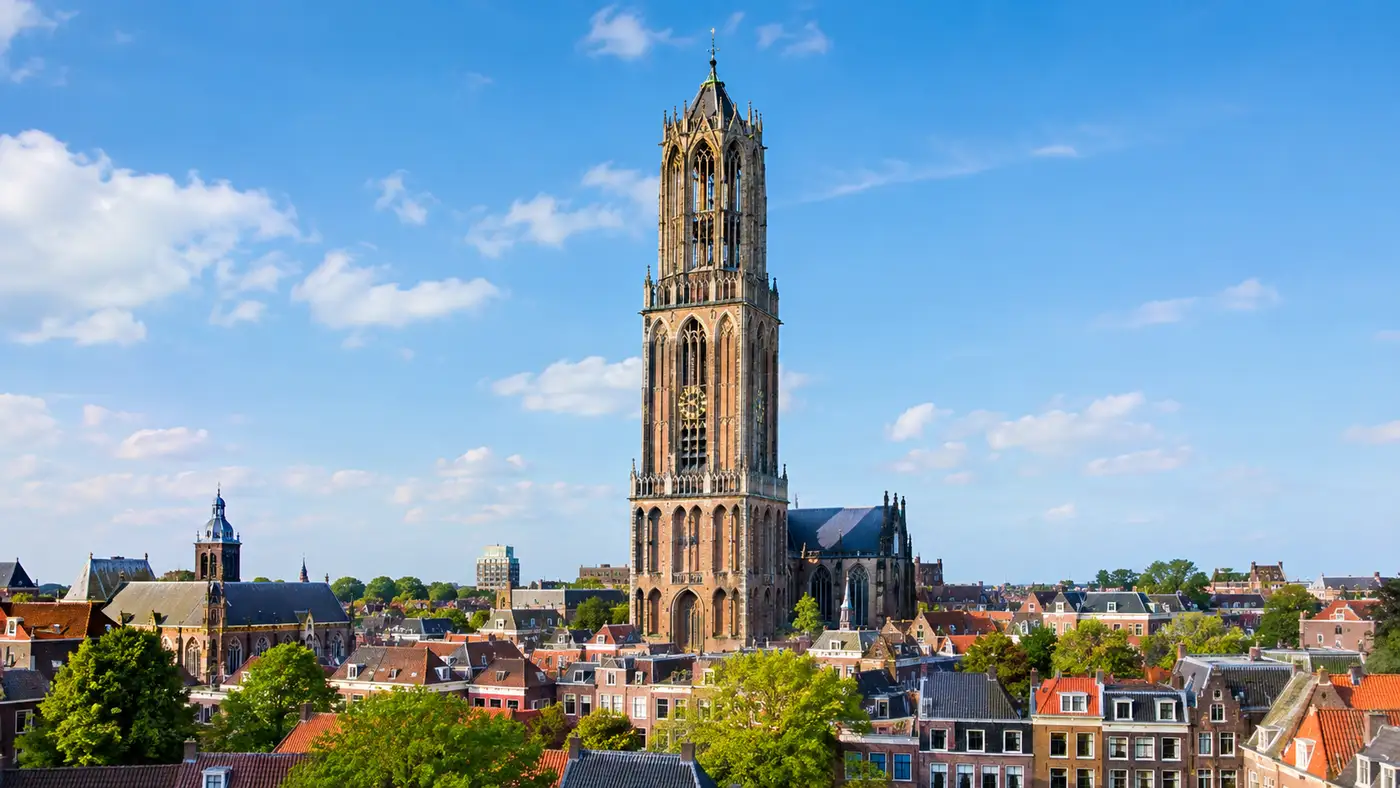
Standing tall over Utrecht, the Dom Tower isn't just a landmark; it's a living chronicle of the city. Every stone, every arch, whispers tales from centuries past, making the Dom Tower Utrecht history a truly fascinating subject. You can feel the weight of time as you look up at its impressive silhouette, a testament to medieval ambition and relentless human effort. This article dives deep into that rich past, exploring the tower's origins, the dramatic events that shaped its form, and the continuous struggle to preserve its grandeur. We'll cover the meticulous efforts of utrecht dom tower renovation, the challenges faced by generations of builders and restorers, and why this iconic structure remains so vital to the Dutch identity.Book your dom tower experience:
The Ambitious Start: Dom Tower Construction
Imagine the Utrecht skyline in the mid-14th century, mostly low-rise timber and stone buildings. Then, this massive project began. Construction on the Dom Tower started in 1321. The vision was grand, a towering symbol for the Utrecht diocese, designed by Jan van den Doem, a master builder we don't know much about. This wasn't just any church tower; it was meant to be the tallest in the Netherlands, a real statement. Building something of this scale back then was an incredible feat, honestly. They didn't have cranes or modern machinery, just sheer willpower, scaffolding, and a lot of skilled hands. The base alone, with its thick walls, took years. They used tufa stone, transported from Germany, alongside local brick. It was a slow, painstaking process. Different sections were built over generations. The lower two square sections were completed first, providing a solid foundation. You can still see the subtle shifts in stone type if you look closely, marking the different phases of work. It was a continuous effort, sometimes stalled by funding issues or political unrest, but always driven by a collective desire to finish this magnificent structure. If you're into the nitty-gritty, you might enjoy reading about the Dom Tower Height & Fascinating Facts, it really puts the scale into perspective.Pro tip: Look for the small details on the lower sections - you can often spot medieval carvings that hint at the original artisans' humor or beliefs, often overlooked by those rushing by.
Separation Anxiety: The Great Storm of 1674
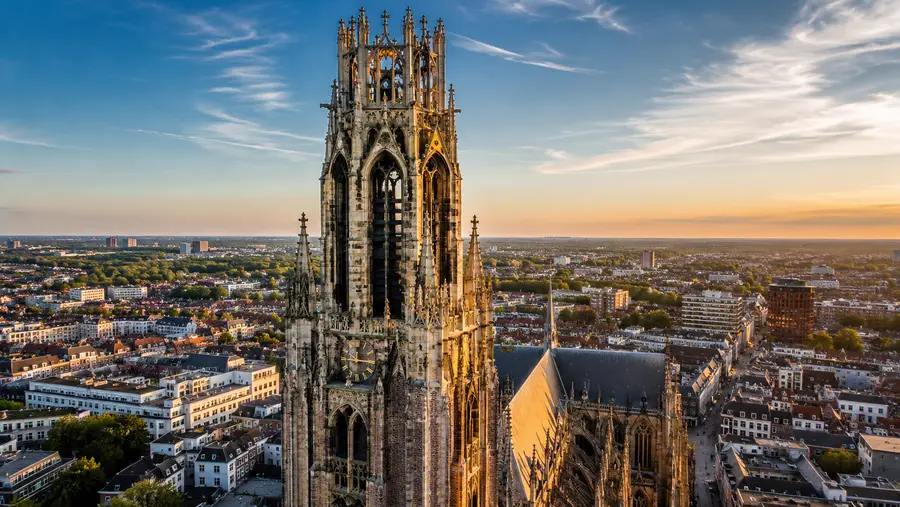
For centuries, the Dom Tower stood proudly connected to the Dom Cathedral. They were one grand architectural statement, a testament to faith and power. This union, however, wasn't meant to last forever. On August 1, 1674, a violent tornado ripped through Utrecht. It was an absolutely brutal storm, tearing through the city with incredible force. The tornado utterly devastated the central nave of the Dom Cathedral. It wasn't just damaged; it completely collapsed, leaving a gaping void between the towering western facade of the cathedral and the magnificent Dom Tower. This event literally tore them apart. For years, the ruins of the nave remained, a stark reminder of nature's power. Eventually, the debris was cleared, creating the Domplein, the large square we see today. The tower, miraculously, stood firm. It was battered, sure, but its robust construction saved it from the same fate as the nave. This separation is a defining moment in the dom tower utrecht history, forever changing the city's urban landscape and giving the tower its unique, freestanding presence.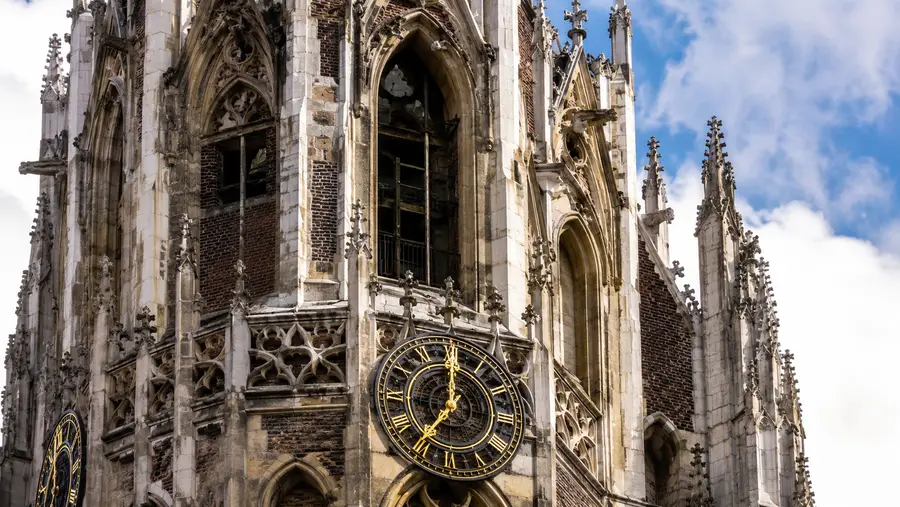
Centuries of Wear and Tear: Early Utrecht Dom Tower Renovation
Even after surviving the 1674 storm, the Dom Tower wasn't immune to the relentless march of time and the elements. Wind, rain, and pollution slowly but surely took their toll on the medieval masonry. By the 19th century, cracks were appearing, stones were crumbling, and the overall structural integrity was becoming a serious concern. It was clear that the tower, a symbol of the city, needed significant attention. Early restoration efforts were somewhat piecemeal, often driven by local initiatives and limited budgets. They tried patching things up, replacing individual stones, and reinforcing weaker sections. These initial interventions, while well-intentioned, weren't always based on a deep understanding of medieval building techniques or long-term preservation strategies. Sometimes, repairs would use materials that didn't quite match, or methods that actually caused new problems down the line. It was a learning process, I guess, for the restorers of the era. They were doing their best with the knowledge and resources they had.Note: Some of these earlier restoration attempts, particularly in the 18th and 19th centuries, actually did more harm than good due to the use of incompatible materials that accelerated decay in the original stone.
Book your dom tower experience:
The Major Push: 20th Century Dom Tower Restoration Projects
By the early 20th century, the situation was pretty dire. The Dom Tower was in serious need of comprehensive intervention. Decades of neglect and inadequate repairs meant that large sections were unstable. This led to a series of monumental dom tower restoration projects, beginning in the 1900s and continuing for much of the century. These weren't just quick fixes; they were massive undertakings involving extensive scaffolding, detailed archaeological studies, and the collaboration of countless experts. One of the most significant phases of utrecht dom tower renovation happened between 1901 and 1932. This project focused on stabilizing the foundations, replacing severely deteriorated stones, and repairing the intricate tracery and sculptures. They used new techniques for stone replacement, trying to match the original materials as closely as possible. It was a huge job, requiring specialized stonemasons. Then, another major push occurred from 1975 to 1987. This restoration was even more ambitious, tackling the entire structure from top to bottom. They meticulously cleaned the stone, repaired mortar joints, and addressed internal structural issues. I remember seeing photos of the tower completely encased in scaffolding during that time; it looked like a gigantic stone cocoon. The goal was to ensure the tower's stability for at least another century, protecting it against further decay. These projects were a testament to modern preservation science and a deep respect for architectural heritage. Here are some key aspects of these major restorations:- Material Matching: Extensive research went into finding quarries that could provide stone matching the original tufa and brick, ensuring visual consistency and structural integrity.
- Structural Reinforcement: Steel rods and modern anchoring techniques were sometimes subtly integrated to provide additional internal support without altering the tower's appearance.
- Artisanal Skill: Highly skilled stonemasons were employed, many trained specifically in medieval carving techniques, to accurately reproduce damaged decorative elements.
- Financial Commitment: These projects cost millions of guilders and later euros, funded by both national and local governments, as well as private donations, highlighting the tower's importance.
A Timeless Icon: Modern Preservation and Future of the Dom Tower
Even after the massive 20th-century dom tower restoration efforts, the work never truly stops. Preservation of such an ancient and enormous structure is an ongoing commitment. Regular inspections are carried out, often involving specialized climbers and drones, to check for new cracks, erosion, or loose masonry. Small repairs are made constantly, a continuous cycle of maintenance that keeps the tower in good health. The tower stands as a powerful symbol of Utrecht's resilience and enduring spirit. It connects the past with the present, reminding everyone of the city's rich medieval roots. Standing 112.5 meters tall, it offers incredible views, and honestly, climbing it is an experience everyone should have. You can learn more about how to do that here: Climb the Dom Tower: Your Guide to the Ascent. The future of the Dom Tower looks secure, thanks to dedicated teams and a community that cherishes its history. It's more than just a building; it's a piece of shared heritage, constantly cared for, constantly celebrated.| Construction Phase | Approximate Dates | Key Developments |
|---|---|---|
| Foundation & Lower Sections | 1321 - 1360 | Construction begins, square lower sections completed. |
| Upper Octagonal Section | 1360 - 1382 | Transition to octagonal shape, more decorative elements. |
| Spire & Bells | 1382 - 1395 | Completion of the spire, installation of early bells. |
| Cathedral Separation | August 1674 | Tornado destroys nave, tower stands alone. |
| Major 20th C. Restoration 1 | 1901 - 1932 | Extensive stone replacement, structural stabilization. |
| Major 20th C. Restoration 2 | 1975 - 1987 | Comprehensive structural repair, cleaning, mortar work. |
Frequently Asked Questions about dom tower utrecht history
When was the Dom Tower built?
Construction on the Dom Tower began in 1321 and was largely completed by 1382, though some finishing touches and bell installations continued into the 1390s.
What caused the Dom Tower to become separate from the Dom Cathedral?
A severe tornado on August 1, 1674, destroyed the central nave of the Dom Cathedral, leaving the Dom Tower standing as a separate structure.
How many major restorations has the Dom Tower undergone?
The Dom Tower has undergone several restoration efforts over the centuries, with the two most significant and comprehensive dom tower restoration projects taking place between 1901-1932 and 1975-1987.
Quick Reference
- Construction started: 1321
- Completion year: 1382 (main structure)
- Separated from cathedral: 1674
- Height: 112.5 meters
- Major restoration periods: Early 20th century, late 20th century
Book your dom tower experience:
My Take on the Dom Tower's Enduring Legacy
Walking around Domplein, looking up at that magnificent tower, you can't help but feel a connection to all those generations who built it, maintained it, and fought to save it. The Dom Tower isn't just an old building; it's a testament to human perseverance, artistry, and the deep desire to create something lasting. Its history, marked by both triumph and disaster, mirrors the very story of Utrecht itself. It's truly a marvel, and its continued presence reminds us that some things are worth fighting for, stone by stone, year after year.Read more about dom tower.